













Slow Crush: "If music doesn’t feel honest, it loses its meaning"
A discussion on creative renewal, the heavier shades of shoegaze, and the importance of authenticity ahead of New Long Fest
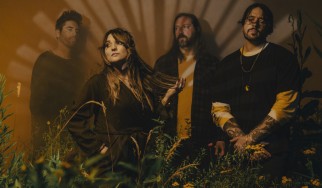
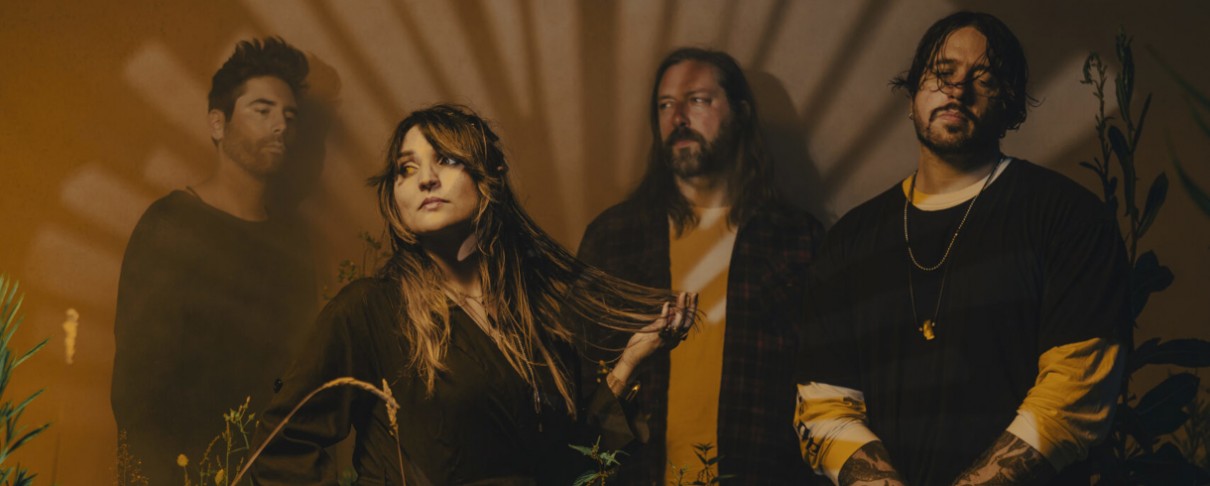
Just before their performance at New Long Fest, Slow Crush returned refreshed and with new material, bringing with them the heavy, noisy beauty that has established them as one of the most intriguing contemporary shoegaze bands. From their mesmerizing sound in "Aurora" to the new chapter of "Thirst", the band is gradually building a dedicated global community around them, into which they will welcome all of us in Nea Makri on June 21.
In light of the above, we spoke with Slow Crush about their creative renewal, their collaboration and inspirations, the need to experiment, and how music should serve as a space for escape, connection, and emotional openness.
Greetings from Athens! We are counting down the days to seeing you live in June, but until then we would love to dive a little deeper into your world. First of all, how are you?
We’re doing really well, thank you! It’s been a very intense period for us with the release of Thirst and all the touring around it, but we’re grateful to still be able to travel, play shows, and connect with people through the music. We’re definitely tired sometimes, but in a fulfilling way.
You’re currently in a really intense phase: Last year you released "Thirst", which received positive reviews and was warmly embraced by listeners, while at the same time you’ve been constantly on the road. How does this period feel for you?
It feels surreal at times. Touring can be both energising and emotionally draining, because you constantly move between excitement and exhaustion. But seeing people connect with the new songs has made everything worth it. We spent so much time shaping this record between tours, so finally seeing it resonate with listeners feels incredibly rewarding.
Each of your albums seems to carry its own differentiated identity. Would you describe that as evolution or as part of an ongoing process?
Probably both. There’s always a natural evolution happening because we’re constantly changing as people and musicians. At the same time, we consciously try not to repeat ourselves. We want every record to surprise us too. Each album reflects where we are emotionally and creatively in that particular moment of our lives.

Let’s stay in "Thirst" for a while. It felt like leaning on your heavier side, like taking a glimpse of the abyss inside a dream. What kind of creative and expressive headspace were you in while making it?
We were in a very vulnerable and emotionally exposed headspace. The album came after years of nonstop touring, burnout, distance, longing, and trying to reconnect with ourselves and each other. Musically, we wanted to embrace more aggression and weight without losing the dreamlike atmosphere that defines us. There’s darkness on the record, but also hope, that contrast became very important for us.
What was your approach when going to the studio?
We entered the studio wanting to break our own habits a little. Usually we become very attached to our demos and try to recreate them exactly, but this time we wanted to stay more open and spontaneous. Working with producer Lewis Johns really helped with that. He pushed us outside our comfort zone and encouraged experimentation while still preserving the emotional core of the songs.
In your case, shoegaze takes an almost crushing dimension, while at the same time reflecting a range of different influences and musical backgrounds. We can hear them in tracks like "Covet" and "Haven." Could you tell us more about these aspects of your sound?
All of us grew up listening to very different styles of music and playing in heavier bands before Slow Crush existed. So naturally, hardcore, post-metal, alternative rock, dream pop, and shoegaze all coexist in our sound. With songs like "Covet," we wanted to lean into that tension between beauty and abrasion. Even the saxophone ending came from wanting to challenge ourselves and add textures we’d never explored before.
Looking back at the album, which elements - collaborations, specific tracks, lyrics, or even moments from the process - stand out the most to you?
Working with Lewis Johns was definitely one of the biggest turning points. He brought a fresh perspective and helped us create something bigger and more emotional than we initially imagined. "Bloodmoon" stands out as a very special track because it feels like a perfect summary of what Slow Crush is emotionally and sonically. There were also moments in the studio where recording certain lyrics became overwhelming emotionally, those moments stayed with us.
What role does vulnerability play in your lyrics? Slow Crush seem to revolve around a build-up of emotions that are always on the verge of release. What fuels that side of your expression?
Vulnerability is essential for us. If music doesn’t feel honest, it loses its meaning. A lot of our songs come from unresolved feelings. longing, grief, exhaustion, love, fear, disconnection. We’re not necessarily trying to provide answers; sometimes it’s more about learning how to sit with those emotions and accept them.
In a time where tension and violence, in the forms of war, gender inequality and others, feel increasingly present, what does it mean for you to hold on to sensitivity and emotion?
It feels more important than ever. Society often encourages people to disconnect from their emotions or hide vulnerability, but sensitivity is not weakness. Music can create a space where people feel safe enough to reconnect with themselves, even briefly. If our music allows someone to feel less alone or more emotionally open, then that means a lot to us.
What acts as your "compass" - both artistically and personally - through all of this?
Authenticity, mostly. We try to stay connected to what genuinely moves us emotionally rather than following trends or expectations. As long as the music still feels honest and meaningful to us, we know we’re moving in the right direction.
With more and more discussions around the use of AI in music and art, how do you personally feel about its place within the creative process?
Technology can always be an interesting tool, but for us the emotional and human aspect of art is the most important thing. Imperfections, accidents, emotions, vulnerability. Those are the things that give music its soul. We’d never want to lose that human connection in the creative process.
Your music is one of a kind that can be strongly felt, with a universe on its own emerging through the tracks. What gives rise to that strong sense of atmosphere in your sound?
We spend a lot of time layering textures and focusing on details that create emotion rather than just technical complexity. Atmosphere comes from dynamics, repetition, imperfections, tones, space, and emotion all working together. We always want the listener to feel immersed inside the music, almost like entering another world.

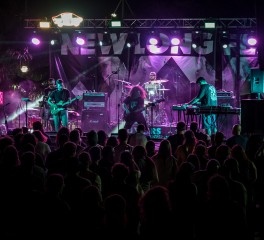
Is that atmosphere something you consciously aim to recreate in your live performances as well? If so, what does that involve, and what do you hope the audience will feel?
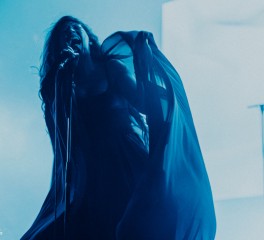
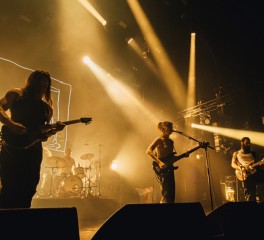
Definitely. Live shows are about creating a shared emotional space. We want people to completely lose themselves in the sound for a while and forget everything outside the room. We try to make the performance feel immersive and emotionally open but also loud and intense. Comforting and dreamlike at the same time.
Shoegaze is experiencing its revival these days, we could say with a twist, as in many cases its stepping away from its alt past, blending with heavy genres. How do you see your place in this evolving and shifting scene?
It’s exciting because the genre has become much more fluid and open. There are no strict boundaries anymore, and that allows bands to experiment freely. We’ve never really thought about fitting into one specific scene anyway. We just make music that feels natural to us, and if that resonates within this evolving shoegaze world, then that’s beautiful.
We’re counting down to your appearance at New Long Fest, where you’ll be performing on the second day. How do you feel about being a part of this, and what are your expectations from the greek audience?
We’re extremely excited. Greece has always felt very passionate and emotional when it comes to live music, and that energy is something we really connect with. We’ve heard amazing things about New Long Fest, so we’re looking forward to sharing this experience together and hopefully creating a very special night.
To wrap things up, could you share 5 albums that you’ve been drawn to? From records that inspire you or resonate with you at this moment?
M83 - before the dawn heals us
Art school girlfriend - lean in
Greet death - die in love
Deftones - private music
Alcest - les chants de l’aurore