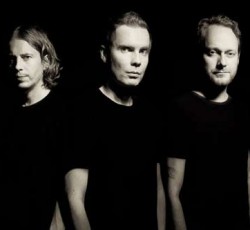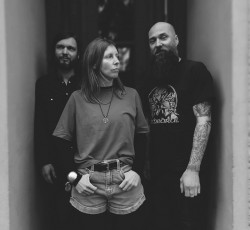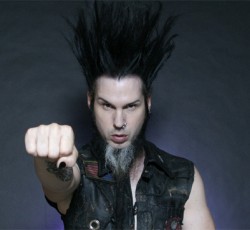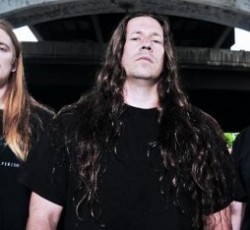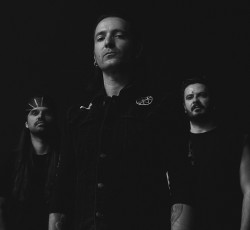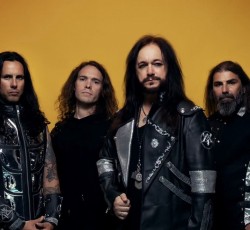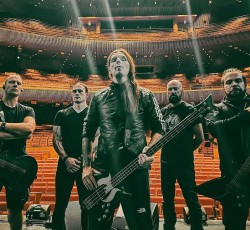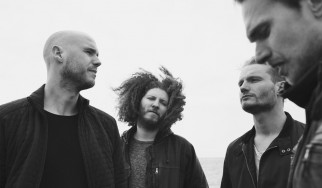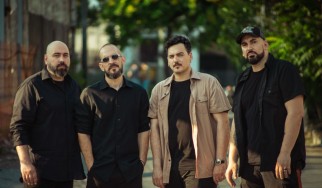



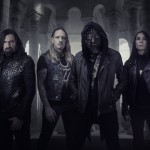





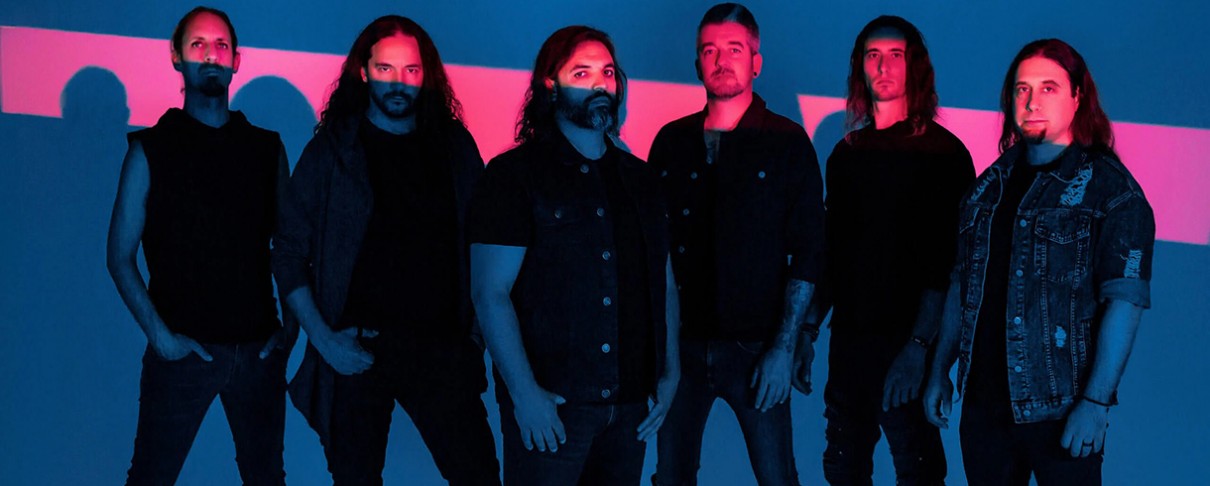
Textures: "We never really embraced the term "djent""
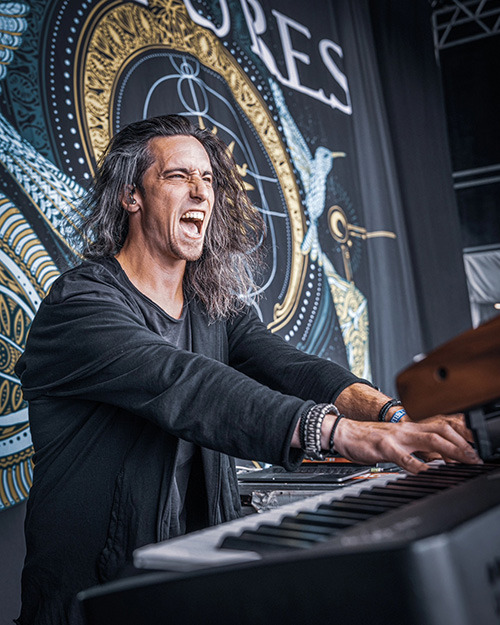
The keyboardist of Textures, Uri Dijk, talks to us about the reunion, the band’s renewed inspiration, and the upcoming Genotype
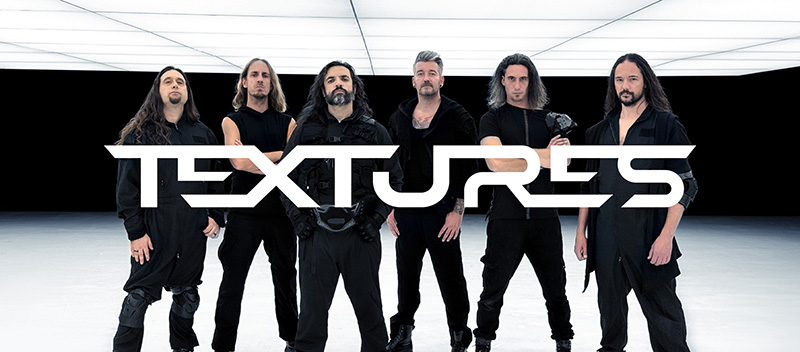
Textures are back, and the truth is their return does not go unnoticed. After years of silence, the band reappears with a new album brimming with inspiration, energy, and a fresh sense of renewal. Uri Dijk, the mastermind behind the keyboards, takes us behind the scenes of the creative process, talks about the flame that has reignited, the riffs, the synths, and the songs that make up this chapter of the band, as well as the special connection he shares with our country. With the outstanding "Genotype" finding them creating once again, defying the dictates of the moment, their comeback has all the elements to make them once again protagonists in the progressive scene.
Hello Uri, how are you?
Kalispera! Ti kaneis? (In perfect greek)
Wow seems like your Greek is pretty good! I didn’t expect that to be honest!
Yes i’ve learned some Greek from my friends in Poem, we had toured together and they’re still good friends. Also we’ve played with Mother Of Millions so there is a bond there!
Great bands for sure, and seems like they taught you well! I have to say I’m really happy we have the chance to talk. I can admit I’ve been a huge fan of the band ever since the beginning. Hearing the new album after so many years and realizing what a great achievement it is made me really excited for this new chapter of Textures. First, I’d like to ask: what was the shift that made you feel the urge and the flame to reunite as a band, create a new album, and start being active again?
Yeah, I think it started with us just wanting to get back together. We really missed being together and playing shows. I mean, we’re all friends-we see each other quite a lot, though not all the time-but we kept in touch. Bart, our guitarist, and Steph, our drummer, taught together at the Metal Factory here in Holland, and they talked about it a lot. Two or three years ago, we had a barbecue together. Every year we get together and talk about life. Then Steph said, "Well, let's talk about the elephant in the room," and brought up the idea of getting back together.
He asked everyone what they thought. A few months later, after everyone had time to reflect, we got together, and everyone was positive about it. We’d had some rest in our personal lives and also found new inspiration to create music. We talked to our old label and management to see what options were possible. Initially, we only planned a reunion tour-because recording an album costs many thousands of euros-but then we got advice to not only do a tour but also consider an album.
We actually had a lot of inspiration. Letting things rest for a while, maturing as musicians and as people, really helped. That’s kind of how it started-the flame went back on.
Many fans were waiting for this, especially since initially you had announced conceptual back-to-back albums with Genotype and Phenotype. I know there was some previous material that wasn’t used for the album. Could you take us behind the scenes? What was your approach and target for this record? To my ears, it feels a bit more melodic, with extreme elements reduced, which I think benefits the songs. What was your main idea going in?
Yeah, you hit the nail on the head. Originally, we wanted to release a double album-one classic album of eight to ten songs (Phenotype) and one long track (Genotype). But our label at the time, Nuclear Blast, didn’t like the idea and suggested we separate them. That kind of fell apart. Especially now, with most people listening on streaming platforms, marketing a single from a 45-minute track is nearly impossible.
When we got back together, we started jamming and took a different approach to writing. We had a dedicated writing team-Steph, Bart, and me-to share the workload efficiently and schedule weekly sessions. We looked at old material but didn’t try to force it into the new songs. It’s like revisiting an old drawing-you now have new pencils and want to use them.
We used some old elements, but mostly we followed our current inspiration. Whenever something fit-like a key or tempo-we might look back, but the focus was on new ideas. Personally, I joined the band late, at the end of Dualism, coming from a melodic metal background like Children of Bodom and Dimmu Borgir, so fitting into Textures’ mindset was challenging. During Phenotype, I managed better, but then Joe joined, and we had to readjust musically.
This time, we decided to just do what felt right, without forcing ourselves into corners. We focused on song structure, tension, and storytelling, leaving more space for ambient elements, synths, and guitars. There are still heavy parts, but we sketched the overall song structures first and then filled in the riffs. That was our approach.
This is also the first time you’ve featured a guest vocalist-Charlotte Wessels. You’re from relatively close places, so I assume that’s how the idea came about. What led to having a guest, and how did this influence Textures’ sound?
We were considering guest musicians, mainly vocals, but not all demos were finished by the time we had to start asking people. We thought it would be cool to have female vocals complement Daniel’s voice.
Instead of someone like Daniel Tompkins or the guy from Leprous, we wanted someone closer to home. Charlotte is the same age as me, we know the same people, and we all really like her voice. We sent her the demo, and two weeks later, she sent something back-we were like, "Holy shit, this is going to work."
You also worked with Forrester Savell on the mix, known for producing great-sounding records. What was your sonic approach for this album?
All previous albums were mixed by Jochem Jacobs, our former guitarist, but he’s no longer in the music business. We wanted an external perspective if funds allowed. We’re big fans of Karnivool, especially Sound Awake, so we reached out to him. He was enthusiastic.
We did the full production ourselves and handed it over to someone we trusted sonically. Funny enough, it doesn’t sound like Sound Awake at all-he just did what he felt was right. We wanted a modern, fresh approach after being away for so long. Honestly, it sounds even more modern than I imagined, but that’s good. Evolution is part of the process.
Regarding your contribution, the keyboards feel very prominent. I personally miss that in newer bands, where synths are often just pre-recorded. How do you approach keyboards compositionally and live?
I really found my place this time. Being one of the main songwriters allowed me more freedom for my parts. During the hiatus, I dove into electronic music, bought analog synths, and learned production techniques. Previously, I recorded in a guitarist’s studio with limited time. This time, I recorded everything at home, with Bart giving occasional suggestions.
I’d spend a full day per song on synths and another on sound design-effects, risers, hits. The downside is I can’t play everything live, so we use elaborate backing tracks. I play the most important parts live, while about half is on tracks. It’s part of a modern sound; some arpeggiated or gated patterns are impossible to play live without a second keyboard player.
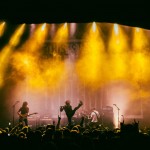
You have a tour coming up with Jinjer. It’s been a long time since your last shows. How’s preparation going, and how difficult is it to decide on a setlist?
Textures: The logistics are the boring, stressful part-gear, visas, carnets, especially for the UK. Then there’s the music. We’re opening, so we have 40 minutes, which is tough for a progressive metal band with long songs.
We’ll play two to three new songs per night since it’s a release tour, but we also have to play classics-you can’t skip songs like "Awake" or "Timeless." We rotated the setlist every few days, so repeat attendees might see different sets. This also helps prepare for headline shows, some of which we can’t announce yet. It’s about getting in shape and testing what works live.
Any chance for a Greek show?
Maybe next year. We didn’t get many festival offers this season, probably due to release timing. We chose art over money. I’ve never been to Greece and would love to play there. Fingers crossed.
You were one of the pioneers of the so-called djent scene. How does it feel to be referenced that way, especially when you’re still evolving instead of following trends?
It’s an honor, but we never tried to be original on purpose-we just did what felt right. Bands like Periphery and Tesseract surpassed us because they kept going while we were on hiatus.
Sometimes it’s hard seeing young bands copying exact formulas. Just do what feels right. We never really embraced the term "djent"-it’s just a way to play a riff. If it fits, we use it; if not, we don’t. On this album, we even rejected parts for being "too djenty."
I’d say the end result is a testament to this eclectic approach and the quality of the outcome.
What’s your favorite song on the album?
That’s tough, but At the End of Winter is one of my favorites. I also really like "A Seat for The Like-Minded". I’ve been trying to figure out the unison of "At The Edge Of Winter" on guitar, but it’s proving to be tricky!
If we had some more time i would show you how to play it, it’s not as difficult as it sounds! "A Seat" is also my favorite, so i guess we have similar tastes.
Seems like it! Wrapping up, i’d like to thank you for your time and i hope we get to see you soon in Greece.
I hope so too. Thank you, and "καληνύχτα"!
One last thing: can you name five albums you’ve been listening to recently?
Music for 18 Musicians by Steve Reich.
Meer by M E E R.
Who Bit the Moon by David Maxim Micic.
III by Moderat.
The Line by Calandra.